
Voices of Responsibility: How Zera and Zarema Karashaisky Mustafaieva Are Rethinking the Role of Diaspora in Ukraine’s Resilience and Global Security
April 30, 2026
By Ruzhdy Hoffmaster
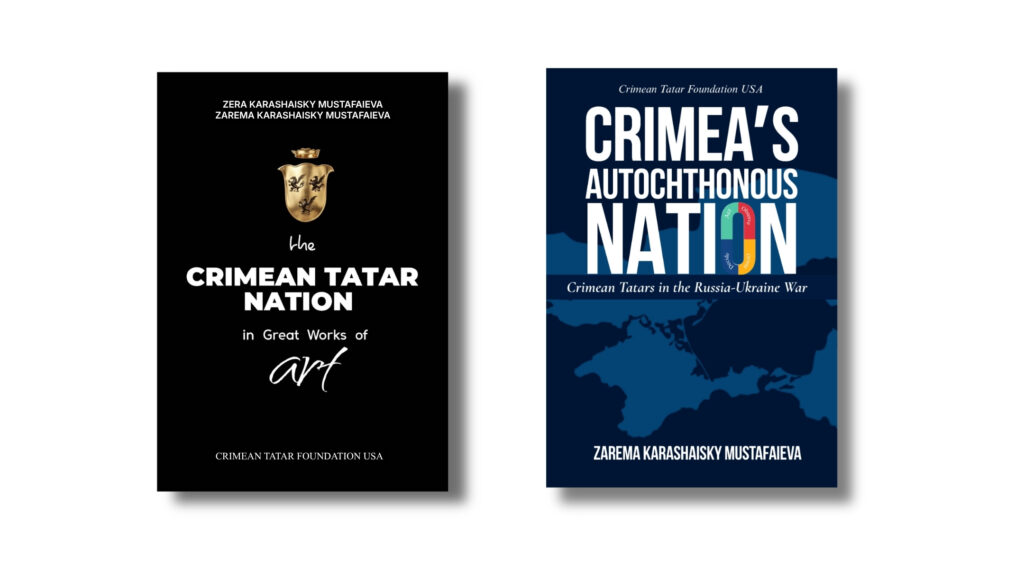
Amid a prolonged war and a shifting international order, the role of non-state actors is becoming increasingly significant. Among them are Zera and Zarema Karashaisky Mustafaieva, founders of a foundation that brings together cultural diplomacy, science diplomacy, and advocacy. Their work builds a bridge between Crimea`s autochthonous nation and the global agenda — amplifying the voices of Crimean Tatars within the New York diaspora, covering developments in occupied Crimea, and developing strategic communications with international organizations and representatives of state institutions.
We spoke with them about their personal contributions, strategic vision, and why their work matters not only for Ukraine and Crimea, but far beyond their borders.
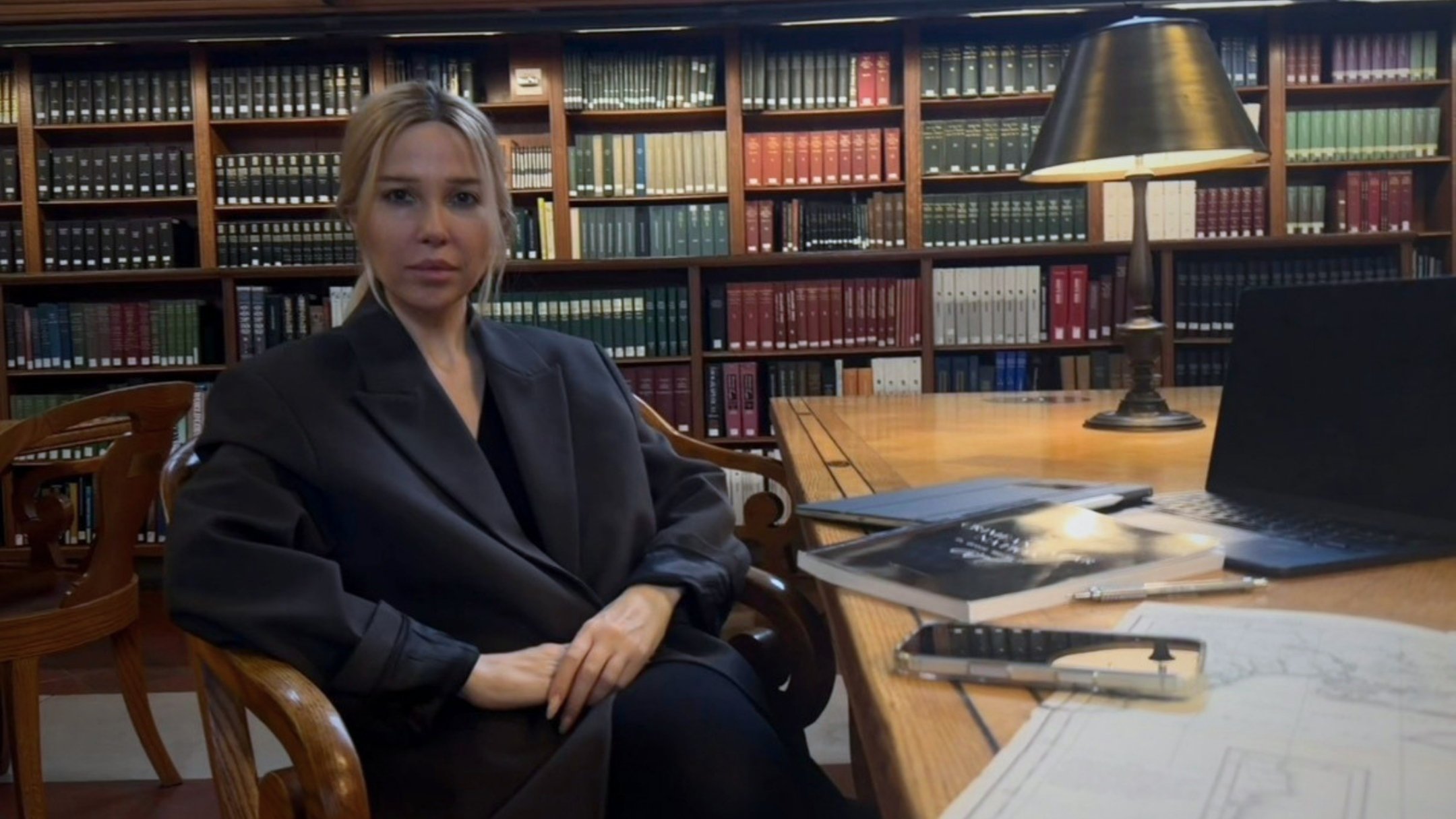
— Your work sits at the intersection of culture, politics, and humanitarian action. How do you define your personal contribution?
Zera: My contribution is, above all, about creating an intellectual framework. I work with narratives – how we tell the story of Crimea, the Crimean Tatars, and Ukraine as a whole. This is not just an academic exercise; it’s a tool of influence. In a world where information has become part of security, an accurate and honest narrative is a form of protection.
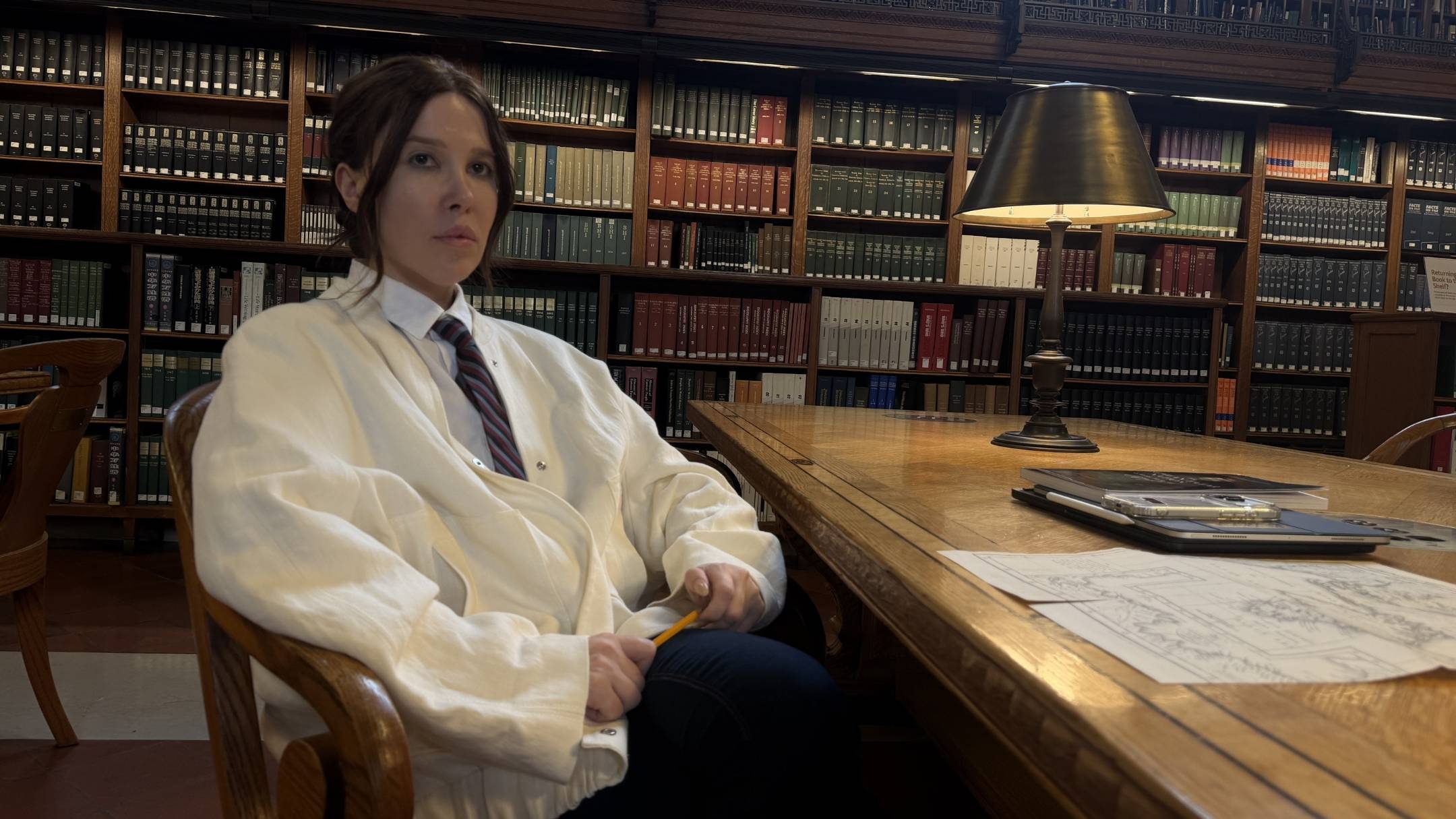
Zarema: For me, it’s about practice. I focus on implementation – projects, people, processes. We work with communities, support educational and cultural initiatives. My role is to ensure that ideas become real actions that people can feel on the ground.
— Many initiatives claim to have a “mission.” What exactly is the mission of your foundation?
Zera: Our mission is to restore agency. This applies both to a people and to a state. We aim for Crimean Tatars and Ukraine as a whole to be active participants in global dialogue, not just subjects of discussion.
Zarema: I would add that it’s also about resilience—not only physical, but cultural, institutional, and psychological. We are building systems that can withstand crises.
— How has your experience shaped this mission?
Zera: My academic and professional path has shown me how often small nations become “invisible” in global politics. This is not accidental—it’s the result of a lack of representation. I decided that this can and should be changed.
Zarema: My experience working with people in crisis has taught me one thing: resilience does not emerge on its own. It has to be designed. And that requires discipline, long-term thinking, and trust.
— What role does your work play for Ukraine today?
Zera: Ukraine today is not only a battlefield but also a space where new norms are being shaped. We are part of that process, helping to build a value-based and intellectual foundation.
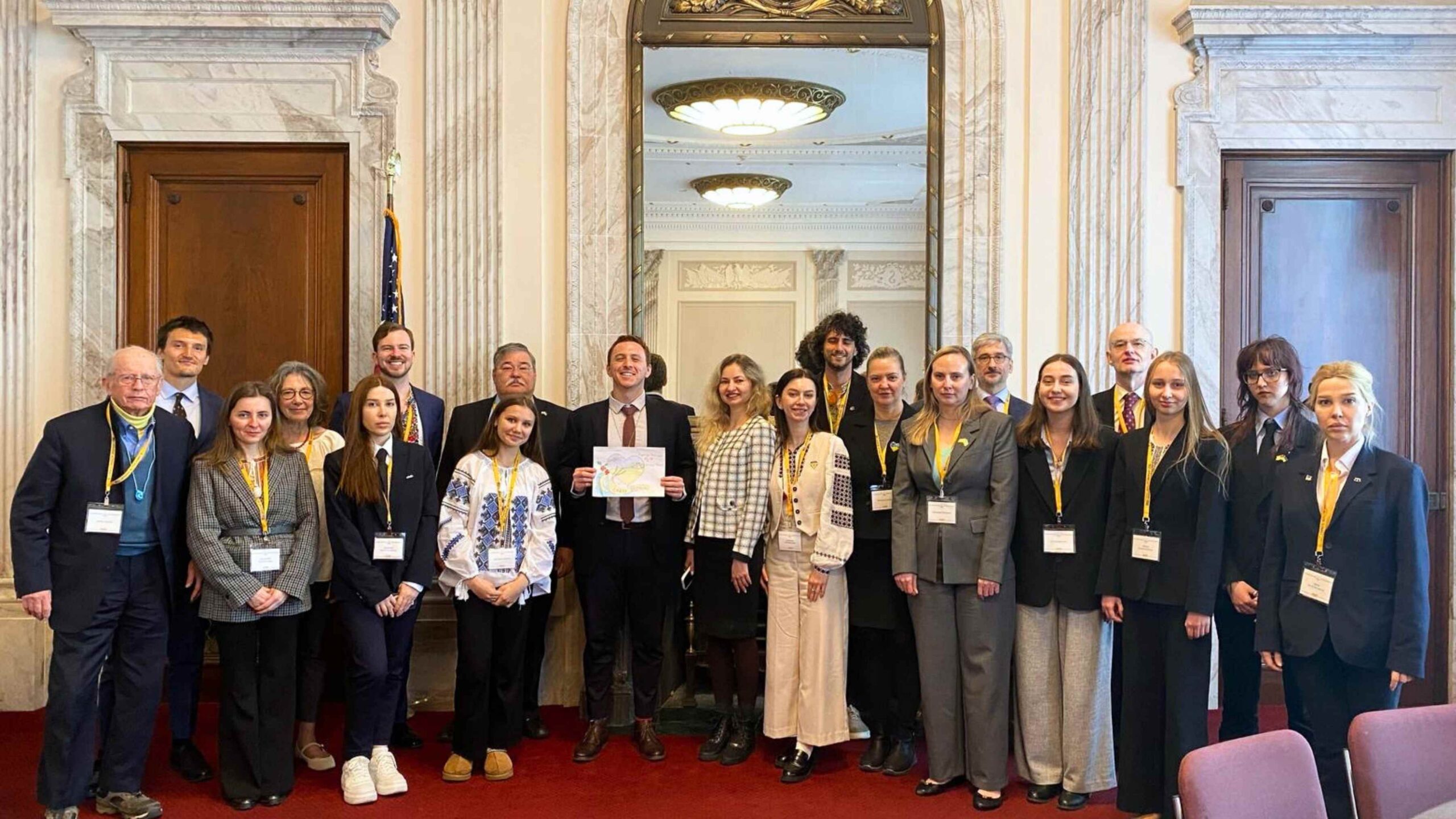
Zarema: Practically, we strengthen connections—between regions, between diasporas, between Ukraine and the world. This is critical for liberating Crimean Tatar and Ukrainian people from occupation, freeing all hostages held in Russia, and returning the occupied territories to Ukraine.
— And on a broader scale—how does your work contribute to global stability?
Zera: Global stability is impossible without justice. Unresolved conflicts and ignored peoples always become sources of future crises. Our work aims to address these blind spots.
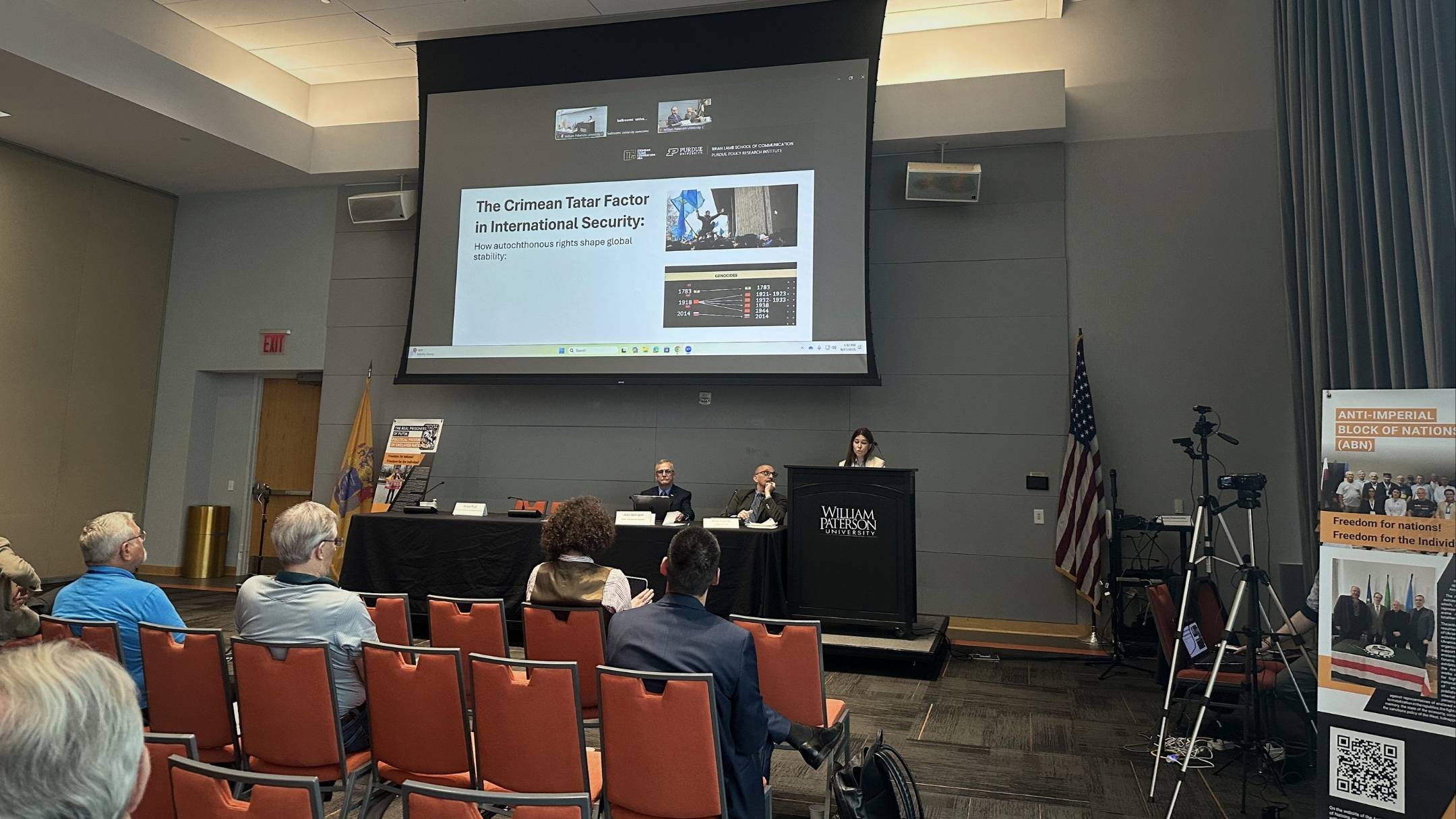
Zarema: We create models. If it’s possible to build a resilient system under conditions of war and pressure, it can serve as an example for other regions. In that sense, our work has exportable value.
“Our mission is to restore agency. This applies both to a people and to a state. We aim for Crimean Tatars and Ukraine as a whole to be active participants in global dialogue, not just subjects of discussion.”
Zera K. Mustafaieva
— Critics might argue that the influence of such foundations is limited. What would you say to them?
Zera: Influence is rarely immediate. But ideas that change perception often have long-term impact. That’s the level at which we operate.
Zarema: And I would add—change always starts small. But if it’s systemic, it scales. We are not building isolated projects; we are building an ecosystem.
— What does this work mean to you personally?
Zera: It is a responsibility—before history, before the nation, before the future.
Zarema: For me, it is a conscious choice, made every day—to do what matters, even when it is difficult.
At a time when the boundaries between the local and the global are increasingly blurred, the story of Zera and Zarema shows that resilience begins with people who are willing to think strategically and act consistently. Their work is not only a contribution to Ukraine, but an investment in a more stable global order.